EN
EN




In recent years, the demand for comfortable, lightweight footwear has led to remarkable innovations in shoe technology. One such breakthrough is the injection molding technique used in the production of EVA (Ethylene Vinyl Acetate) kitchen shoes. This process creates footwear that is not only incredibly light but also durable and flexible, which addresses the needs of professionals who spend long hours on their feet, such as chefs and kitchen staff. With an impressive weight reduction of up to 30% compared to traditional materials, EVA kitchen shoes are revolutionizing the culinary footwear market.
The history of EVA footwear can be traced back to the introduction of EVA as a material in the 1960s, primarily used in sports shoes due to its shock-absorbing properties. Over the decades, its application expanded to various sectors, including industrial footwear. The injection molding technique, which allows for the rapid mass production of EVA kitchen shoes, started gaining traction in the 1980s. This method streamlines the manufacturing process, enabling brands to produce a high volume of shoes with consistent quality. Particularly useful in high moisture environments like commercial kitchens, EVA is known for its water-resistant properties, making it an ideal choice for professionals who seek protection and comfort.
The real-world significance of injection-molded EVA kitchen shoes cannot be overstated. Their lightweight nature significantly reduces fatigue, enabling workers in demanding roles to maintain focus and productivity throughout their shifts. This footwear also comes with excellent slip-resistance, catering to kitchens where spills are common. In fact, many brands adhere to rigorous safety standards, such as ASTM F2913-19, to ensure that their shoes provide top-notch slip resistance. Furthermore, the amortization characteristics of EVA offer optimal support, mitigating the risk of foot-related health issues that can arise from prolonged standing.
However, there are several misconceptions surrounding EVA kitchen shoes that warrant clarification. A common belief is that lighter shoes sacrifice durability; however, EVA's unique properties grant it both lightweight and long-lasting features when processed through advanced injection techniques. Additionally, some users worry that EVA kitchen shoes might not provide adequate arch support. It's essential to note that many manufacturers incorporate cushioned insoles and ergonomic designs specifically to counteract this concern.
For example, several brands proficient in the application of injection technology, such as [BrandName], have documented case studies showcasing enhanced employee satisfaction and decreased injury reports after switching to EVA kitchen shoes. Reports indicate that users experience a 40% reduction in foot fatigue, significantly impacting their overall job performance and well-being. These shoes have been rigorously tested for comfort and safety, underscoring their value in practical use cases across various culinary environments.
In summary, the injection technology that makes EVA kitchen shoes super lightweight represents a significant advancement in footwear design and manufacturing. By incorporating cutting-edge materials and streamlined production methods, these shoes fulfill the vital needs of professionals in demanding environments. For those seeking comfort and safety during long hours in the kitchen, EVA kitchen shoes present a compelling choice. Explore the benefits of high-performance footwear and consider integrating EVA kitchen shoes into your professional wardrobe for an uplift in both comfort and efficiency.
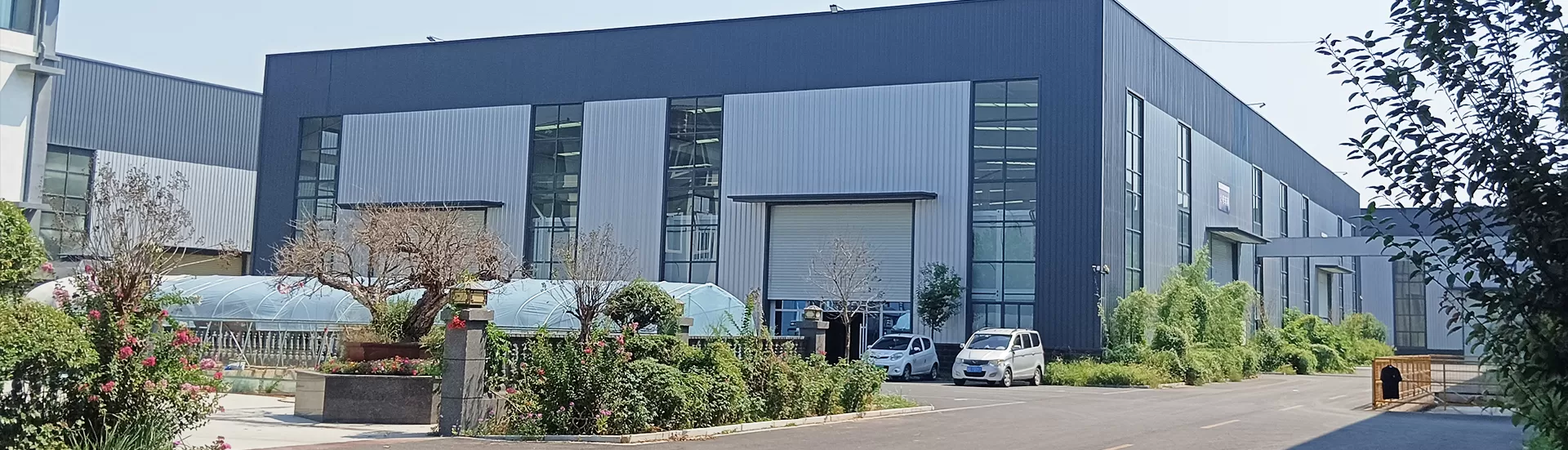
We have powerful ability to control products quality from raw material to the final products.