EN
EN




EVA food boots are essential protective footwear used in various industries, particularly in food processing and manufacturing environments. These boots are crafted from ethylene-vinyl acetate (EVA), a material known for its flexibility, durability, and resistance to chemicals and extreme temperatures. Compliance with established safety standards ensures that these boots provide the necessary protection to prevent slip accidents and contamination in factories, safeguarding both workers and products. Understanding the compliance standards that protect EVA food boots not only enhances workplace safety but also underscores a company’s commitment to quality and regulatory adherence.
In the food production industry, compliance standards have evolved alongside increasing safety concerns and regulations. Notably, OSHA (Occupational Safety and Health Administration) and ANSI (American National Standards Institute) have established guidelines that govern workplace safety standards, including those specifically for protective footwear. Historical incidents of workplace injuries and contamination have driven the need for stringent regulations, pushing manufacturers to adapt and innovate in the design of EVA food boots. Such advancements ensure that products meet the required performance benchmarks, which not only mitigate risks but also enhance operational efficiency.
The significance of compliance standards extends far beyond mere legal requirements; they play a critical role in promoting safety and efficiency in production environments. For instance, EVA food boots that comply with ASTM F2913, which evaluates slip resistance, ensure that workers have the necessary grip on wet or greasy surfaces, reducing the risk of falls. Additionally, boots that meet FDA regulations regarding food contact materials guarantee that there is no leaching of harmful chemicals into food products, protecting consumer safety and maintaining brand integrity. This critical intersection of safety and compliance contributes to a company’s reputation and business success.
However, many misconceptions can cloud the understanding of compliance standards. A common error is believing that all EVA food boots automatically meet safety requirements. In reality, not all products are tested or certified to the same standards, which can lead to unsuspected risks. For example, while many boots may offer some level of water resistance, only those specifically tested under ASTM F1671—Standard Test Method for Resistance of Materials to Penetration by Blood Borne Pathogens—can be verified for use in environments involving potential contact with blood or other hazardous materials. This underscores the importance of verifying certifications and understanding the specifics of each standard.
Real-world applications highlight the importance of adhering to compliance standards in EVA food boots. A case study involving a large poultry processing plant showcased how implementing ASTM standards in foot protection drastically reduced workplace injuries. Following the introduction of appropriately certified EVA food boots, the plant recorded a 50% decrease in slip-related accidents, translating not only to enhanced worker safety but also to significant financial savings through reduced compensation claims. This example illustrates the tangible benefits aligning with industry standards can provide, both in terms of safety and the bottom line.
In summary, understanding and implementing the compliance standards that protect EVA food boots is paramount for any factory handling food products. These regulations not only ensure worker safety but also contribute to the overall integrity of food manufacturing processes. As industries continue to evolve, staying informed about the latest safety standards and ensuring that products such as EVA food boots meet these requirements will be crucial. Companies are encouraged to review their current footwear policies and seek EVA boots from reputable manufacturers who prioritize compliance with industry standards. Ensuring adherence can lead to safer working environments, enhanced employee satisfaction, and ultimately, greater business success.
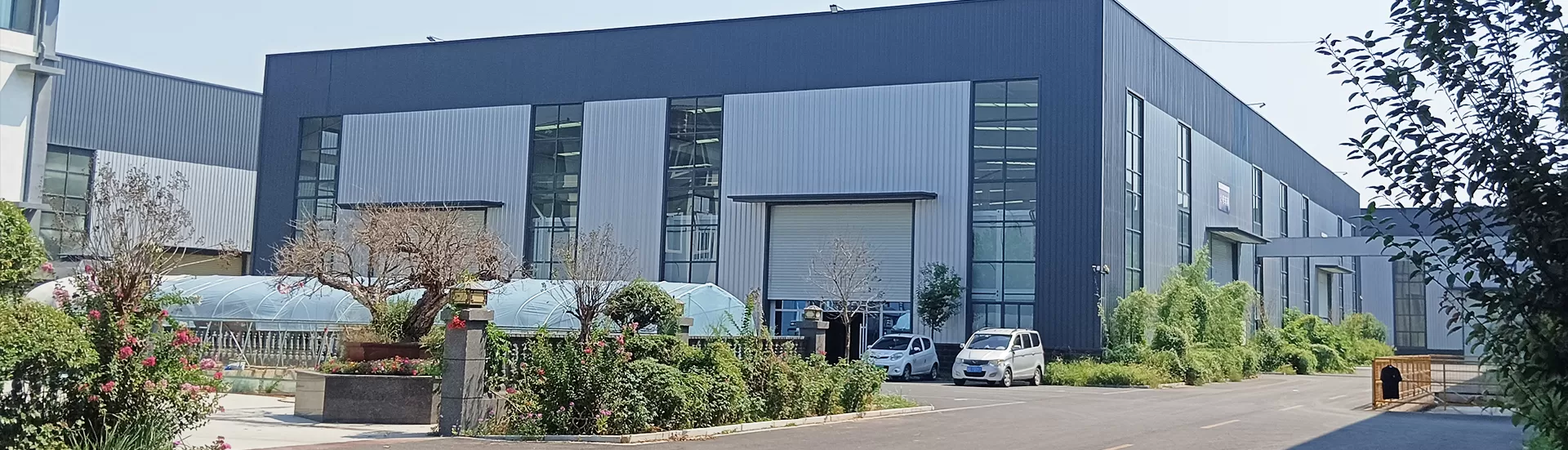
We have powerful ability to control products quality from raw material to the final products.